The smell of searing beef and caramelized onions hitting a hot pan is honestly one of my favorite sounds in the kitchen. It’s that specific sizzle that tells you dinner is going to be good before you even take the first bite. I remember the first time I tried to recreate this at home. I was tired, it was raining, and I didn’t want to drive to a crowded restaurant. I just wanted that smoky, savory comfort without the two-hour wait.
So, I grabbed whatever steak I had left in the freezer and some rice sitting on the counter. The result? It was surprisingly close to the real thing. That’s when I knew I had to master hibachi steak bowls. It wasn’t about being a professional chef. It was about finding a way to bring that restaurant magic into my own kitchen on a Tuesday night.
Now, this recipe is my go-to when I need something fast but feels fancy. It’s perfect for busy parents, single folks, or anyone who loves a good meal but hates the hassle. The key is the sauce. Once you get that balance of soy, ginger, and garlic right, you’ll never order takeout again. Honestly, it’s healthier too, because you control the sodium and the cut of meat. Let’s face it, restaurant portions are huge, and so are the calories. Making this at home lets you enjoy the flavors without the guilt.
I’ve tested this recipe over a dozen times. I’ve tried different cuts of beef, different rice types, and even different vegetables. Each time, I tweaked it until it was perfect. This isn’t just another stir-fry. It’s a complete meal that comes together in under thirty minutes. You get protein, carbs, and veggies in every single bite. It’s balanced, not restricted. You feel nourished, not stuffed and sluggish. That’s the kind of dinner I want to share with you.
Why You’ll Love This Recipe
After testing this hibachi steak bowl recipe so many times, I can tell you why it keeps coming back to my menu. It’s not just about the taste, though that’s definitely the biggest part. It’s about how easy it is to pull off when you’re exhausted. I’ve had nights where I came home, dropped my bag, and stared into the fridge. This recipe saves those nights. It uses simple ingredients you probably already have. You don’t need a specialty grocery store run. You just need a few basics and some patience.
- Quick & Easy: This comes together in under 30 minutes. The steak sears fast, and the veggies cook in minutes. It’s perfect for those weeknights when you don’t have hours to spend cooking.
- Simple Ingredients: No fancy trips to the Asian market needed. You likely already have soy sauce, ginger, garlic, and rice in your kitchen. It’s straightforward cooking that delivers big flavor.
- Perfect for Meal Prep: These bowls store beautifully. I often make a big batch on Sunday and grab them during the week. The flavors actually get better after sitting in the fridge for a day.
- Crowd-Pleaser: Kids and adults alike love this. The sweet and savory sauce is a hit with picky eaters. It’s a great way to get veggies on the table without a fight.
- Unbelievably Delicious: The texture of the steak is key. When seared right, it’s tender and juicy. Combined with the fried rice style base, it’s next-level comfort food.
What makes this recipe different from a standard stir-fry is the focus on the “hibachi” flavor profile. We aren’t just tossing things in a wok. We are searing the meat hard to get that char. We are using butter in the sauce, which is a secret many home cooks skip but restaurants use. It adds a richness that soy sauce alone can’t achieve. It’s that specific combination that makes you close your eyes after the first bite. It’s comfort food reimagined—healthier, faster, but with the same soul-soothing satisfaction. Plus, it’s great for impressing guests without the stress of hosting a full sit-down dinner.
What Ingredients You Will Need
This recipe uses simple, wholesome ingredients to deliver bold flavor and satisfying texture without the fuss. The magic really happens in the sauce, so don’t skip the fresh aromatics. You want a mix of pantry staples and fresh produce that you can find at any local grocery store. I like to keep things flexible, so if you don’t have a specific vegetable, just swap it for what’s fresh in your fridge.
- Steak: I recommend using sirloin or flank steak for the best balance of flavor and tenderness. They are affordable and sear beautifully. Look for meat that has good marbling for juiciness.
- Rice: Jasmine rice is the traditional choice for hibachi. It’s slightly sticky and absorbs the sauce well. Day-old rice works best if you are making fried rice, but fresh rice is fine for bowls.
- Butter: Unsalted butter is crucial here. It adds a creamy richness to the sauce that mimics the restaurant style. It helps carry the flavors of the garlic and ginger.
- Soy Sauce: Use a low-sodium version if you are watching your salt intake. Regular soy sauce works too, but you might need to adjust the amount. Kikkoman is a trusted brand I often use.
- Fresh Ginger: Grated fresh ginger provides a bright, spicy kick that ground ginger can’t match. It’s worth the extra effort to grate it yourself.
- Garlic: Fresh minced garlic is non-negotiable. It adds depth and aroma. Pre-minced garlic in a jar just doesn’t have the same punch.
- Sesame Oil: A little bit of toasted sesame oil goes a long way. It adds that nutty aroma that defines Asian-inspired dishes. Be careful not to use too much, as it can overpower the dish.
- Vegetables: I use a mix of yellow onions, zucchini, and bell peppers. They add color and crunch. Frozen mixed veggies are a great shortcut if you’re in a hurry.
- Eggs: Scrambled eggs add protein and make the bowl more filling. They also help soak up the sauce.
- Seasonings: Salt, black pepper, and a pinch of sugar to balance the acidity of the soy sauce.
I always suggest buying fresh ginger and grating it yourself. The difference in flavor is noticeable. For the steak, let it come to room temperature before cooking. This helps it cook evenly. If you’re using frozen vegetables, make sure to thaw and drain them first so your bowl doesn’t get watery.
Equipment Needed
You don’t need fancy gear to make this hibachi steak bowl. A large skillet or wok is the most important tool. I use a cast-iron skillet because it holds heat well, which helps get a good sear on the steak. If you don’t have cast iron, a non-stick pan works too. Just make sure it’s large enough to hold all the ingredients without overcrowding.
A sharp knife is also essential. You want to slice the steak thinly against the grain. A dull knife will tear the meat and make it tough. I keep a good chef’s knife on my counter for this reason. For mixing the sauce, a small bowl and whisk are all you need. A rice cooker is helpful for the rice, but a regular pot on the stove works fine too.
If you don’t have a wok, a large sauté pan is a perfect alternative. It has high sides and a flat bottom, which is great for tossing ingredients. I’ve tried using a small frying pan, but it just doesn’t work. You need the surface area for the steak to sear properly. Don’t worry about buying expensive tools. A good, heavy-bottomed pan and a sharp knife are enough. Also, keep your utensils handy. You’ll be moving fast, so having a spatula and tongs ready will save you time.
Preparation Method
Start by preparing your rice. If you are using day-old rice, take it out of the fridge about 20 minutes before cooking. This helps it warm up slightly and become less clumpy. Cook fresh jasmine rice according to the package instructions. Usually, it’s a 1:1.5 ratio of rice to water. Let it sit covered for 10 minutes after cooking to steam. This step takes about 20-25 minutes total, so start here.
While the rice cooks, prepare the steak. Pat the steak dry with paper towels. Moisture is the enemy of a good sear. Slice the steak thinly against the grain. This is crucial for tenderness. Cut it into bite-sized pieces. Season generously with salt and black pepper. Set aside.
Next, chop your vegetables. Slice the onions into thin strips. Dice the bell peppers and zucchini. Mince the garlic and grate the ginger. Have everything ready before you turn on the heat. This is called mise en place, and it will make cooking much easier.
Now, make the sauce. In a small bowl, whisk together soy sauce, sesame oil, butter (melted), grated ginger, minced garlic, and a teaspoon of sugar. Whisk until the butter is fully incorporated. Taste it. It should be savory with a hint of sweetness. Adjust if needed.
Heat your large skillet or wok over high heat. Add a tablespoon of oil. Once the oil is shimmering, add the steak in a single layer. Do not overcrowd the pan. Cook for 1-2 minutes per side until browned. Remove the steak to a plate. Repeat with the remaining steak if you cooked in batches.
Reduce the heat to medium-high. Add a little more oil if needed. Add the onions and cook for 2 minutes. Then add the zucchini and bell peppers. Cook for another 3-4 minutes until tender-crisp. Push the veggies to the side. Pour in the egg mixture and scramble it gently. Mix the eggs with the veggies.
Add the cooked rice to the pan. Break up any clumps with your spatula. Pour the sauce over the rice and veggies. Toss everything together until the rice is evenly coated and heated through. This takes about 3-5 minutes. Finally, add the cooked steak back to the pan. Toss gently to warm it through. Be careful not to overcook the steak. Serve immediately in bowls.
Cooking Tips & Techniques
Getting the steak right is the most important part. Many people make the mistake of cooking the steak too long. Hibachi steak should be medium-rare to medium. If you cook it until it’s well-done, it will be tough and chewy. Use a meat thermometer if you’re unsure. Aim for 130-135°F for medium-rare. Let the meat rest for a few minutes before slicing. This keeps the juices inside.
Another common mistake is steaming the vegetables. To get that hibachi char, you need high heat. Don’t cover the pan. Let the moisture evaporate so the veggies brown. If you see steam building up, your pan isn’t hot enough. Increase the heat. Also, add the veggies in stages. Onions take longer than zucchini. Adding them all at once can lead to mushy vegetables.
I once tried making this recipe with a lean cut of beef. It turned out dry and bland. That’s why I recommend fatty cuts like sirloin or ribeye. The fat renders out and adds flavor. If you must use a lean cut, marinate it for 30 minutes. But honestly, just buying better meat is easier.
For the rice, if it’s too sticky, add a splash of sesame oil while tossing. This helps separate the grains. Also, don’t skip the butter in the sauce. It sounds rich, but it balances the saltiness of the soy sauce. It creates that creamy, restaurant-style texture. Finally, taste as you go. Every brand of soy sauce is different. Adjust the seasoning to your preference.
Variations & Adaptations
This recipe is very flexible. You can change it up based on what you have or your dietary needs. For a lighter option, use cauliflower rice instead of regular rice. It cuts down the carbs significantly. The sauce still clings to the cauliflower, so it tastes just as good. You can also double the vegetables and reduce the meat. This makes it more of a vegetable-forward dish.
If you want more protein, add shrimp or chicken. Shrimp cooks very quickly, so add it at the end with the steak. Chicken thighs are great because they stay juicy. Just make sure to slice them thinly. For a spicy kick, add red pepper flakes or sriracha to the sauce. This is great for those who like heat.
I also like to add a fried egg on top. The runny yolk mixes with the rice and creates a rich sauce. It’s a game-changer. For a vegan version, use tofu instead of steak. Press the tofu first to remove moisture. Pan-fry it until crispy, then add it back at the end. Use tamari instead of soy sauce for a gluten-free option. The flavors remain the same, but the texture changes slightly. Try these variations to keep the recipe fresh.
Serving & Storage Suggestions
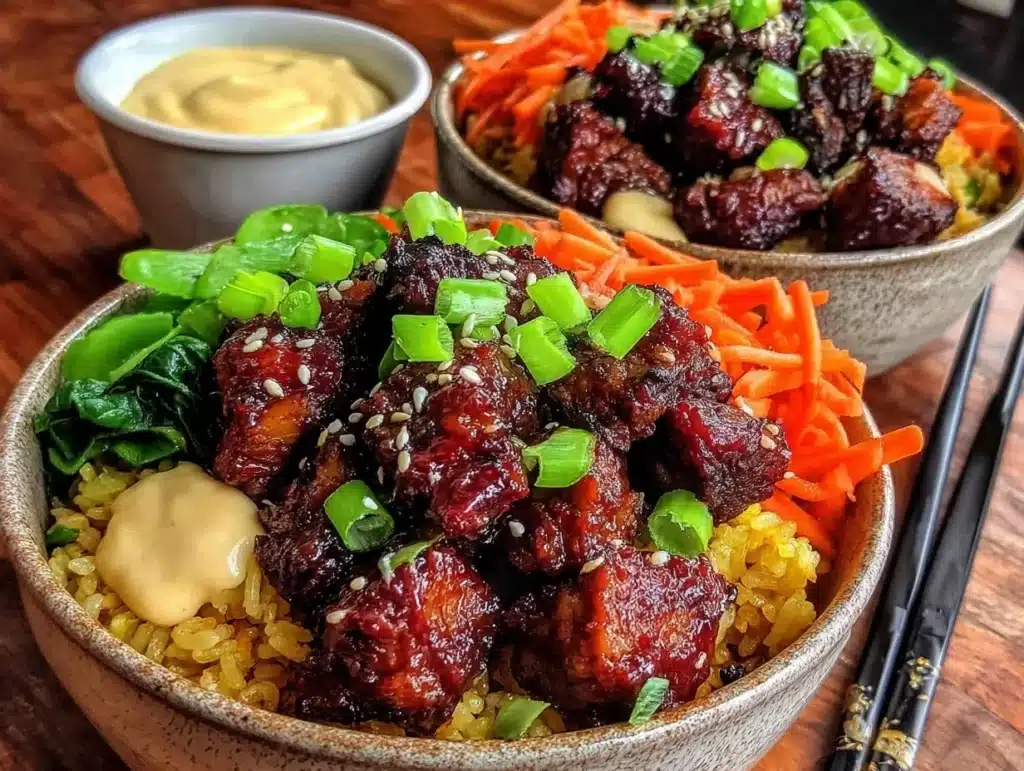
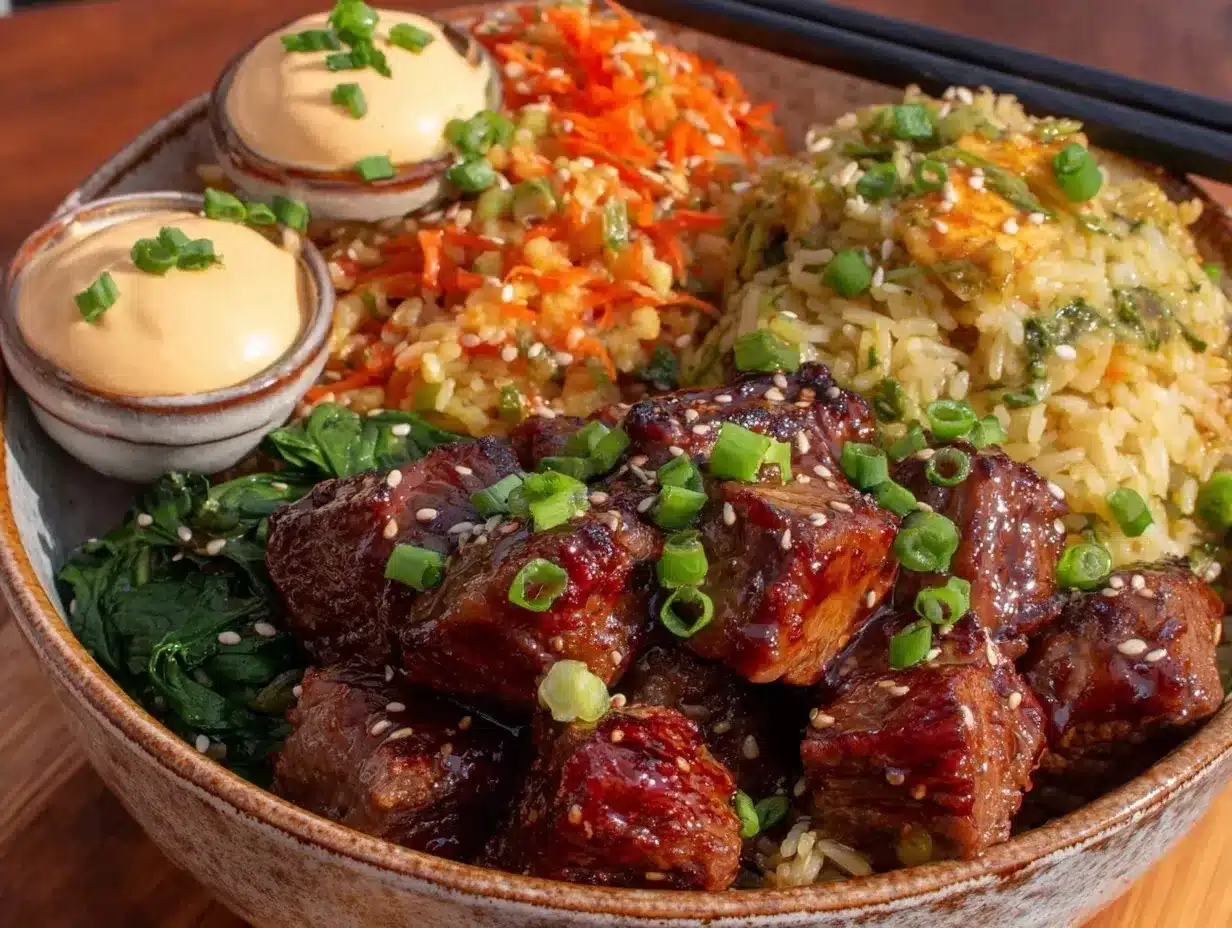
Serve these bowls hot. Garnish with chopped green onions and sesame seeds for a pop of color. A squeeze of lime juice adds brightness. Pair with a simple side salad or miso soup for a complete meal. These bowls are best eaten fresh. The rice can get soggy if stored for too long.
To store leftovers, let them cool completely. Place them in an airtight container in the fridge. They will last for 3-4 days. To reheat, use a skillet with a splash of water. This helps steam the rice and keeps it moist. Avoid the microwave if possible, as it can make the steak tough. If you must use the microwave, cover it with a damp paper towel.
You can also freeze the components separately. Freeze the cooked rice and veggies. Keep the steak separate. Thaw in the fridge overnight. Reheat gently. The flavors develop over time, so day-old bowls can actually taste better. Just make sure to check for spoilage before eating.
Nutritional Information & Benefits
This hibachi steak bowl is a balanced meal. The steak provides high-quality protein, which is essential for muscle repair. The rice offers carbohydrates for energy. The vegetables add fiber, vitamins, and minerals. It’s not a low-calorie diet food, but it’s nutrient-dense. You get a good mix of macros in every bite.
If you are watching your sodium, use low-sodium soy sauce and reduce the amount. You can also skip the added butter in the sauce and use a little olive oil. This reduces saturated fat. For those with gluten sensitivity, use tamari or coconut aminos. The recipe is naturally dairy-free if you skip the butter, or you can use a dairy-free alternative.
I love this recipe because it makes me feel good. It’s not heavy or sluggish. It’s energizing. The ginger and garlic have anti-inflammatory properties. The steak is rich in iron and B vitamins. It’s a meal that supports your health without feeling like a chore. Balance is key, and this recipe delivers that.
Conclusion
Making hibachi steak bowls at home is easier than you think. It brings the restaurant experience to your table without the wait or the bill. The flavors are bold, the ingredients are simple, and the result is delicious. I hope you try this recipe and make it your own. Feel free to swap vegetables or adjust the sauce to your taste. Cooking should be fun, not stressful.
Share your creations with me. I’d love to see how you adapt this recipe. Leave a comment below with your tips or questions. Don’t forget to save this post for your next weeknight dinner. Thanks for reading, and happy cooking!
FAQs
What cut of steak is best for hibachi bowls?
Sirloin and flank steak are the best choices. They are flavorful, affordable, and tender when sliced thinly against the grain. Ribeye is also great if you want extra richness.
Can I use leftover rice for this recipe?
Yes, day-old rice is actually preferred. It’s drier and won’t get mushy when you toss it with the sauce. If using fresh rice, let it cool completely first.
How do I make the sauce without soy sauce?
You can use tamari for a gluten-free option or coconut aminos for a lower-sodium, slightly sweeter alternative. The flavor profile will be similar but milder.
Can I add other vegetables?
Absolutely. Carrots, mushrooms, broccoli, and snap peas all work well. Just make sure to cut them into similar sizes so they cook evenly.
How long does this recipe take to make?
It takes about 25-30 minutes from start to finish. Most of that time is prepping the ingredients. Cooking happens very quickly once everything is ready.
Pin This Recipe!
Hibachi Steak Bowls: Easy Weeknight Dinner
- Total Time: 30 minutes
- Yield: 4 servings 1x
Description
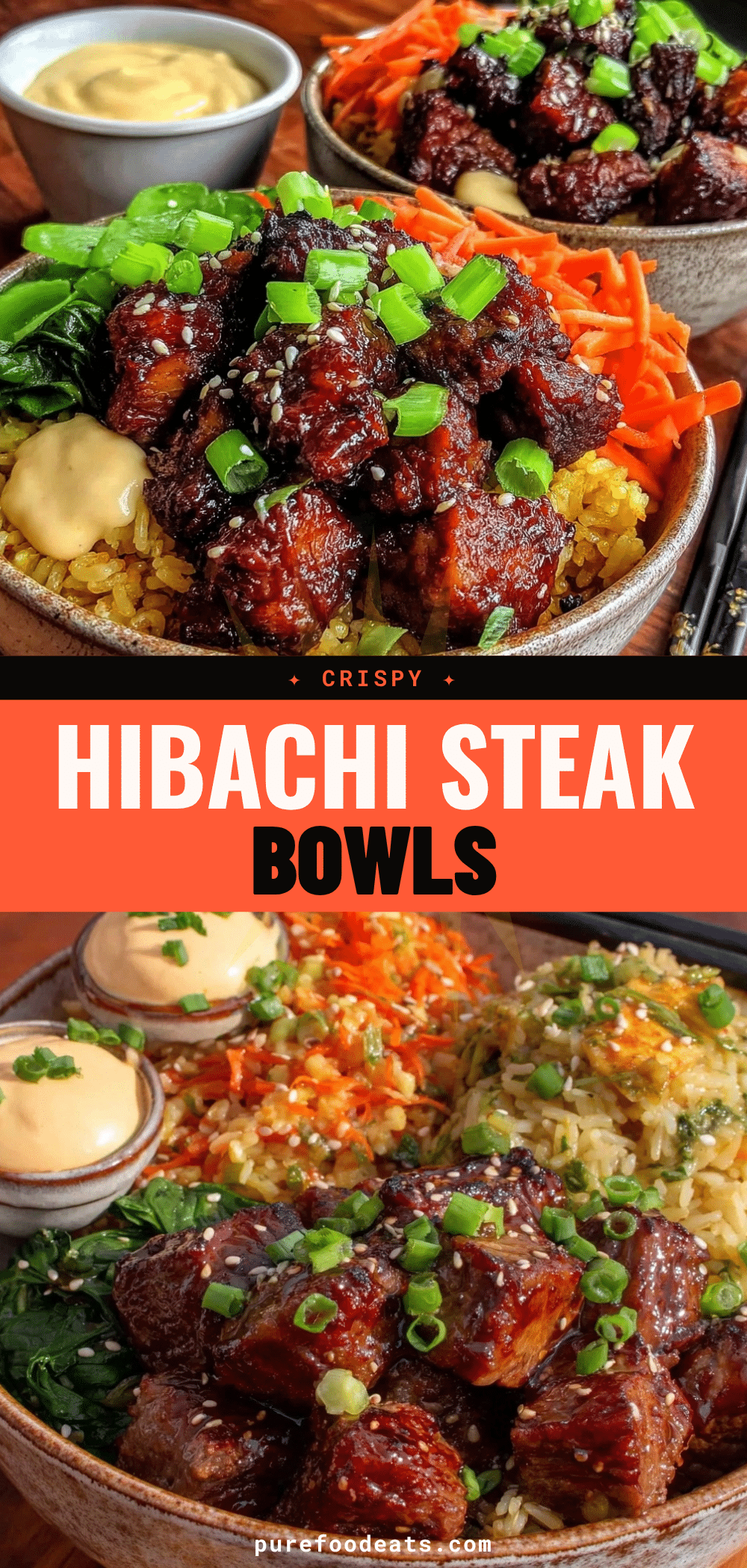
Recreate the restaurant experience at home with this easy hibachi steak bowl recipe. Featuring seared sirloin, jasmine rice, and a savory ginger-garlic butter sauce, this meal comes together in under 30 minutes.
Ingredients
- 1 lb sirloin or flank steak, sliced thinly against the grain
- 2 cups jasmine rice, cooked
- 2 tbsp unsalted butter
- 3 tbsp soy sauce (low-sodium recommended)
- 1 tbsp fresh ginger, grated
- 3 cloves garlic, minced
- 1 tsp sesame oil
- 1 tsp sugar
- 1 yellow onion, sliced into strips
- 1 zucchini, diced
- 1 bell pepper, diced
- 2 large eggs, beaten
- Salt and black pepper to taste
- Cooking oil for the pan
- Green onions and sesame seeds for garnish (optional)
Instructions
- Cook the jasmine rice according to package instructions. Let it sit covered for 10 minutes after cooking to steam.
- Pat the steak dry and season generously with salt and black pepper.
- In a small bowl, whisk together soy sauce, sesame oil, melted butter, grated ginger, minced garlic, and sugar. Set aside.
- Chop vegetables: slice onions, dice bell peppers and zucchini. Mince garlic and grate ginger.
- Heat a large skillet or wok over high heat with a tablespoon of oil.
- Sear the steak in a single layer for 1-2 minutes per side until browned. Remove to a plate.
- Reduce heat to medium-high. Add more oil if needed, then cook onions for 2 minutes.
- Add zucchini and bell peppers, cooking for 3-4 minutes until tender-crisp.
- Push veggies to the side, pour in beaten eggs, and scramble gently. Mix with veggies.
- Add cooked rice to the pan, breaking up clumps. Pour sauce over rice and veggies, tossing until coated and heated through (3-5 minutes).
- Return steak to the pan, tossing gently to warm through without overcooking.
- Serve immediately in bowls, garnished with green onions and sesame seeds.
Notes
For best results, use day-old rice to prevent mushiness. Ensure the pan is hot enough to sear the steak without steaming it. Let the steak rest before slicing if cooking in advance. For a gluten-free version, use tamari or coconut aminos instead of soy sauce.
- Prep Time: 15 minutes
- Cook Time: 15 minutes
- Category: Main Course
- Cuisine: Japanese-American
Nutrition
- Serving Size: 1 bowl
- Calories: 550
- Sugar: 4
- Sodium: 800
- Fat: 22
- Saturated Fat: 9
- Carbohydrates: 45
- Fiber: 3
- Protein: 35
Keywords: hibachi steak, steak bowls, weeknight dinner, easy recipe, japanese food, beef bowl, quick meals, meal prep