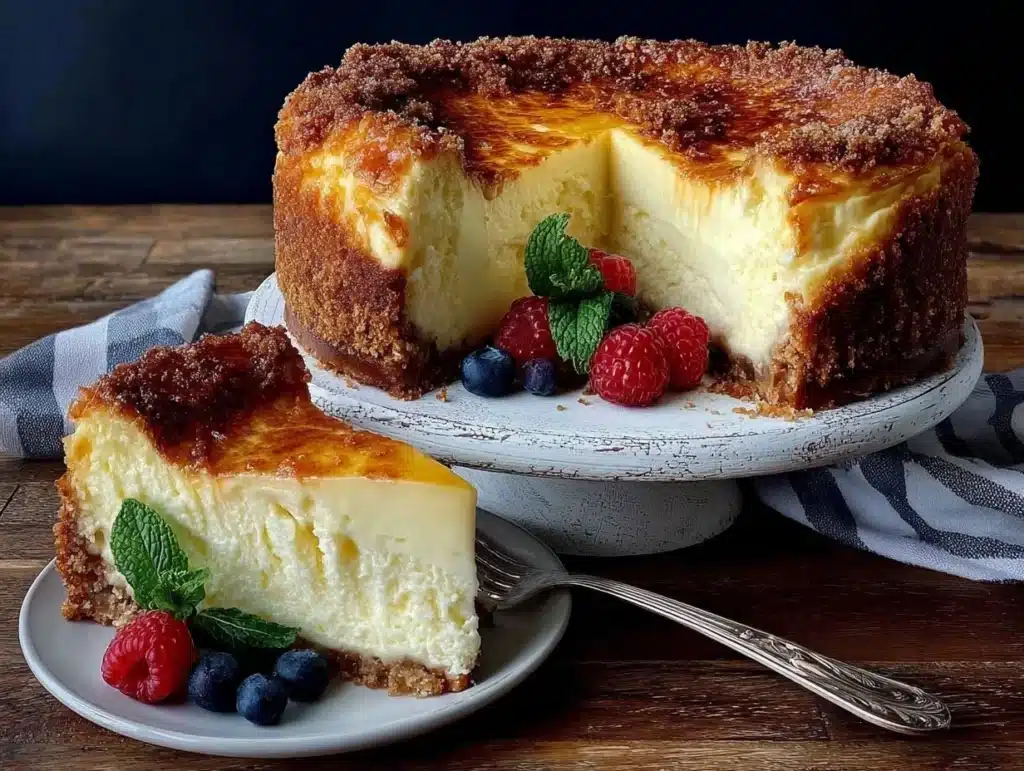
The smell of warm, creamy vanilla filling hitting the oven is instantly nostalgic for me. It reminds me of those long Saturday nights at the Cheesecake Factory, where the menu alone felt like a novel. I used to order their Original Cheesecake every single time, promising myself I’d “have it lighter” with just a fork and a small slice. Spoiler alert: I never did. I always went for the whole slice, sometimes two, because that dense, rich texture is just too good to resist.
But here is the truth, honestly. That restaurant cheesecake is amazing, but it’s also heavy, expensive, and sometimes lacks that homemade soul. I wanted to recreate that iconic taste in my own kitchen. I wanted a slice that tasted like indulgence but felt like comfort. After testing this copycat Cheesecake Factory original cheesecake recipe over a dozen times, I finally nailed it. It’s not just a good substitute; it’s arguably better because you control the quality of every ingredient.
This recipe is perfect for busy families who want a show-stopping dessert without the hassle. It’s also a lifesaver for high-protein diets if you tweak the dairy slightly, though the traditional version is pure bliss. You know, there is something deeply satisfying about pulling a perfect, crack-free cheesecake out of your own oven. It feels like a victory. Let’s face it, homemade is always superior when you get the balance right.
I’ve spent years tweaking ratios to get that signature dense-yet-creamy mouthfeel. As someone who has baked professionally and as a home cook for decades, I know that the secret isn’t just in the ingredients. It’s in the technique. This recipe is worth making because it delivers that restaurant-quality experience at a fraction of the cost. Plus, you can serve it to picky kids or impress dinner guests without breaking the bank. It’s a reliable, tested favorite that never fails to impress.
Why You’ll Love This Recipe
I’ve tested hundreds of cheesecake recipes, and most fall flat. They’re too cakey, too runny, or they crack like a map. This copycat Cheesecake Factory original cheesecake is different because it strikes that impossible balance between airy and dense. It’s the kind of dessert that makes you close your eyes after the first bite. You get that rich, buttery crust followed by the smooth, tangy cream cheese filling that just melts on your tongue.
Here is why this recipe stands out from the crowd:
- Quick & Easy Prep: While it bakes for a while, the actual hands-on prep time is under 30 minutes. This is perfect for busy weeknights or last-minute dinner party cravings when you need to look like a pro.
- Simple Ingredients: You likely already have everything in your kitchen. Cream cheese, sugar, eggs, vanilla, and a bit of sour cream. No fancy grocery trips needed, and no obscure spices to hunt down.
- Perfect for Any Occasion: Whether it’s a holiday brunch, a summer potluck, or a cozy Sunday dessert, this cheesecake fits right in. It’s versatile enough to stand alone or be dressed up with fruit.
- Crowd-Pleaser: I’ve served this to groups of ten and groups of two. Kids love the sweetness, and adults appreciate the subtle tang. It always gets rave reviews, even from people who claim they “don’t like cheesecake.”
- Unbelievably Delicious: The texture is next-level comfort food. It’s not dry, and it’s not greasy. It’s just pure, creamy satisfaction.
What makes this truly special is the addition of sour cream and a low-and-slow baking method. This prevents the dreaded cracks and keeps the center jiggly but set. It’s not just another version; it’s the best version. I developed this after years of trial and error, trying to mimic that specific factory-style consistency. It’s comfort food reimagined—richer than a light yogurt dessert but lighter than a dense New York brick. It turns a simple meal into something memorable and impressive.
What Ingredients You Will Need
This recipe uses simple, wholesome ingredients to deliver bold flavor and satisfying texture without the fuss. The magic lies in the quality of the dairy products. You want full-fat cream cheese for that luxurious mouthfeel. Skim milk or low-fat versions will leave you with a grainy, dry result, so don’t skimp here.
- Graham Cracker Crust: 1 ½ cups graham cracker crumbs (about 10-12 full sheets), 5 tablespoons unsalted butter, melted, and 2 tablespoons granulated sugar. For the best texture, I recommend using a food processor to get fine crumbs, not chunky ones.
- Cream Cheese: 32 ounces (4 blocks) full-fat cream cheese, softened to room temperature. This is crucial. Cold cream cheese leads to lumps that you can’t beat out. I personally prefer Philadelphia brand for its consistency, but any high-quality block works.
- Sugar: 1 ¼ cups granulated sugar. This provides the sweetness and helps with the texture. Brown sugar can be used for a caramel note, but white sugar keeps that classic tangy profile.
- Eggs: 4 large eggs, room temperature. Adding cold eggs to warm cream cheese can cause it to curdle. Let them sit out for an hour before you start.
- Sour Cream: 1 cup full-fat sour cream. This is the secret ingredient for that Cheesecake Factory tang and creaminess. It adds moisture and stabilizes the batter.
- Vanilla Extract: 2 teaspoons pure vanilla extract. Avoid artificial vanilla if you can help it. The flavor of real vanilla makes a huge difference in such a simple recipe.
- Flour: 2 tablespoons all-purpose flour. This might seem odd, but a little flour helps stabilize the eggs and prevents cracking. It’s a pro tip that keeps the structure tight.
If you need substitutions, you can use almond flour for a gluten-free crust, though the texture will be slightly different. For the dairy, you can swap sour cream for Greek yogurt if you want a protein boost, but the flavor will be tangier. Always look for firm, small-curd cottage cheese if you decide to blend it in for extra protein, but for this classic version, stick to the cream cheese and sour cream combo.
Equipment Needed
You don’t need a fancy kitchen to make this, but having the right tools helps. A 9-inch springform pan is essential. The spring allows you to release the sides without damaging the delicate cake. I’ve ruined too many cakes by trying to lift them out of regular pans. Look for a heavy-duty springform pan to prevent leaks.
A stand mixer or a hand mixer is highly recommended. Creaming the cream cheese and sugar by hand is exhausting and rarely smooth. You want a paddle attachment for the best incorporation. If you don’t have one, a strong whisk and some elbow grease will work, but it takes longer.
A roasting pan is needed for the water bath. This creates steam in the oven, which prevents the cheesecake from drying out and cracking. If you don’t have a roasting pan, you can create a makeshift one by wrapping the bottom of your springform pan tightly in two layers of heavy-duty aluminum foil and placing it in a large baking dish.
A knife or offset spatula is useful for smoothing the top before baking. Also, keep a rubber spatula handy to scrape down the sides of the bowl. You want every bit of that creamy mixture in the pan. Clean your tools well, especially if you reuse a springform pan, to ensure no old crust bits stick to the sides.
How to Make Copycat Cheesecake Factory Original Cheesecake
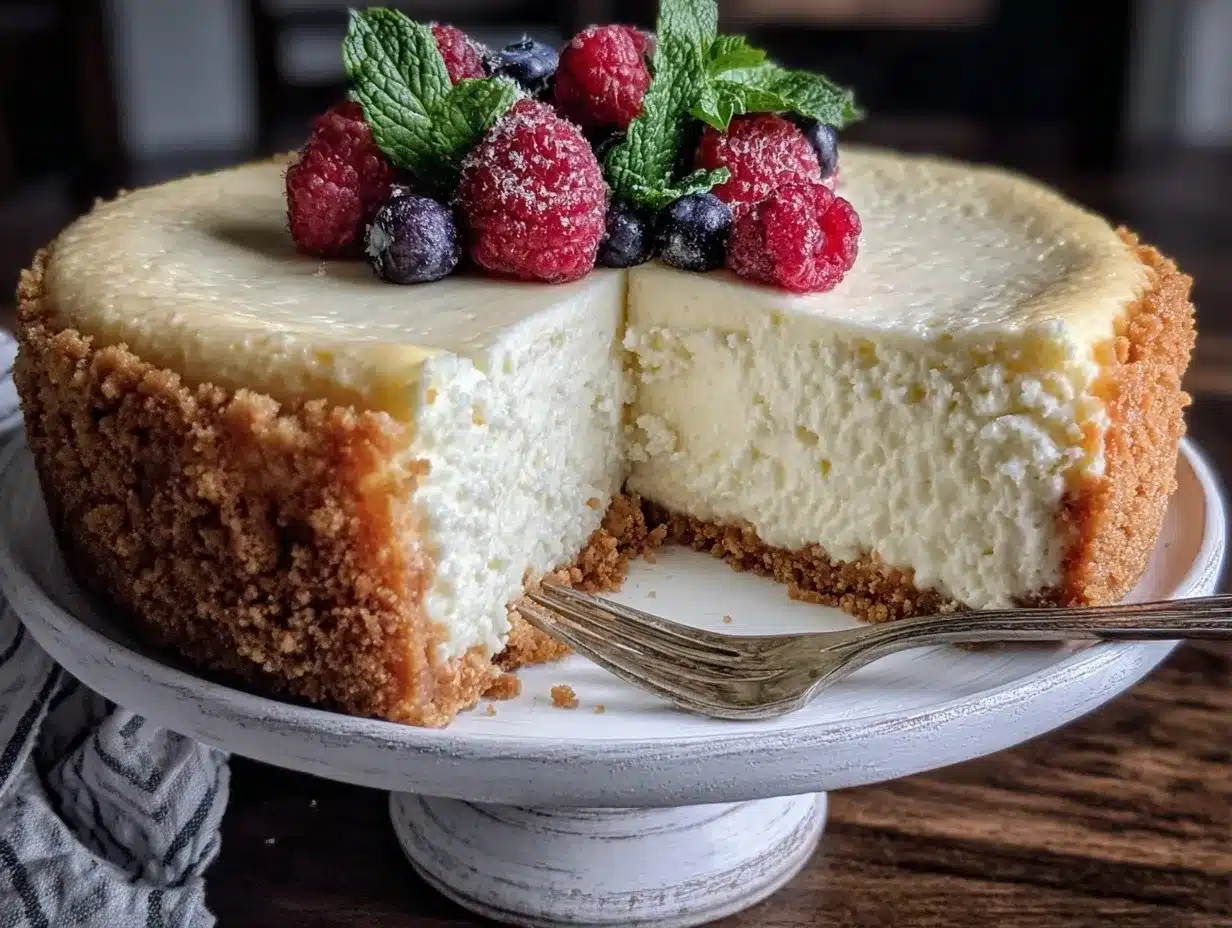
Start by preheating your oven to 325°F (165°C). This lower temperature is key to gentle baking. High heat causes the proteins in the eggs to tighten too quickly, leading to cracks. While the oven heats, prepare your crust. Mix the graham cracker crumbs, melted butter, and sugar in a bowl until it resembles wet sand. Press this mixture firmly into the bottom of your 9-inch springform pan. Use the bottom of a measuring cup to pack it down evenly. Chill the crust in the fridge for 15 minutes while you make the filling.
Next, focus on the cream cheese. In your mixer, beat the softened cream cheese on medium-low speed until it is completely smooth and creamy. This can take 3-5 minutes. Scrape down the sides of the bowl. Do not skip this step! Lumpy cheesecake is not the goal. Once smooth, add the granulated sugar. Beat on low until combined, then increase to medium speed for another minute. The mixture should look pale and fluffy.
Add the sour cream and vanilla extract. Mix until just combined. Now, add the eggs one at a time. Use the lowest speed setting possible. Overmixing after adding eggs incorporates too much air, which causes the cheesecake to rise and then fall, creating cracks. Mix each egg for about 15-20 seconds until just incorporated. Finally, stir in the flour by hand with a spatula. Fold it in gently until no streaks remain.
Prepare your water bath. Pour boiling water into your roasting pan. Place the springform pan (wrapped in foil) into the roasting pan. Carefully transfer the setup to the oven. Pour boiling water into the roasting pan until it reaches about an inch up the side of the springform pan. This steam is vital for even cooking.
Bake for 60-70 minutes. The edges should be set, but the center should still jiggle slightly like Jell-O when you shake the pan. This is the perfect doneness. The residual heat will finish cooking the center as it cools. Turn off the oven and crack the door open. Let the cheesecake cool inside for an hour. This gradual cooling prevents thermal shock and cracking.
Remove the cheesecake from the oven and run a thin knife around the edge to loosen it from the pan. This releases the tension as it contracts. Let it cool completely at room temperature. Then, refrigerate for at least 6 hours, preferably overnight. Cold cheesecake slices much cleaner and develops better flavor. Enjoy your homemade masterpiece!
Pro Tips for a Perfect Cheesecake
One of the most common mistakes is using cold ingredients. I learned this the hard way after my first batch had visible lumps. Everything must be at room temperature. Take your cream cheese and eggs out of the fridge the night before or at least 2 hours before baking. This ensures a silky-smooth batter.
Another lesson I learned was about overmixing. Once the eggs are in, mix as little as possible. I used to beat the batter vigorously, thinking it would make it lighter. Instead, it made it airy and prone to collapsing. Gentle folding is the way to go. Also, don’t open the oven door while it’s baking. The sudden drop in temperature can cause cracks. Trust the process and keep that door shut.
Timing is everything. If your cheesecake looks done but the center is still very liquid, give it five more minutes. If it’s jiggly but firm, it’s done. It’s better to underbake slightly than overbake, as the carryover cooking will finish the job. Use a thermometer if you’re unsure; the internal temperature should reach 150°F (65°C).
For consistency, use a kitchen scale for your ingredients. Volume measurements for flour and crumbs can vary wildly. Weighing ensures your ratios are accurate every time. This is especially important for the crust. Too much butter makes it greasy; too little makes it crumbly. Precision leads to perfection.
Variations & Adaptations
While the original is classic, you can easily adapt this recipe. For a berry twist, add 1 cup of fresh or frozen strawberries to the batter before baking. The acidity cuts through the richness beautifully. If you want a chocolate version, swap ¼ cup of the flour for unsweetened cocoa powder. Be careful, as this changes the texture slightly, making it denser.
For a gluten-free option, use gluten-free graham crackers or almond flour for the crust. Ensure your cream cheese is certified gluten-free, as some brands may have cross-contamination. For a lower-calorie version, you can substitute half the cream cheese with fat-free cream cheese, but the texture will be less rich. I recommend keeping the full-fat for the best taste.
I once tried adding lemon zest to this recipe, and it was a game-changer. The citrus brightens the heavy dairy flavors. Add the zest of one lemon along with the vanilla. It’s a simple tweak that makes the cheesecake feel more spring-like. You can also add a layer of peanut butter swirl. Just drizzle warm peanut butter over the batter and swirl it with a knife before baking.
For dietary restrictions, you can use vegan cream cheese alternatives, though the result will be different. Nut-based crusts like cashew or almond work well for nut allergies if you use seeds instead. Always check labels for allergens. These variations allow you to enjoy the dessert regardless of your dietary needs or preferences.
Serving & Storage Suggestions
This cheesecake is best served chilled. Let it sit in the fridge for at least 4 hours before slicing. Use a sharp, warm knife for clean cuts. Dip the knife in hot water and wipe it dry between each slice. This prevents the creamy filling from sticking to the blade. Serve with fresh berries, a dollop of whipped cream, or a drizzle of caramel sauce.
For storage, keep the cheesecake in the springform pan, covered tightly with plastic wrap or foil. It will last in the refrigerator for up to 5 days. If you want to freeze it, wrap the entire cheesecake (un-sliced) in plastic wrap and then in aluminum foil. It can be frozen for up to 2 months. Thaw it in the refrigerator overnight before serving.
You can also slice it and freeze individual portions. This is great for lunchboxes or quick desserts. When reheating, avoid the microwave if possible, as it can make the texture rubbery. If you must, heat it on low power for 10-15 seconds. Better yet, let it come to room temperature for 30 minutes before eating.
The flavors develop over time. I find that it tastes even better on the second or third day. The moisture redistributes, and the flavors meld together. It’s worth the wait. Pair it with a strong black coffee or a glass of red wine for a sophisticated evening treat. The bitterness of the coffee contrasts nicely with the sweet, creamy cake.
Nutritional Information & Benefits
Each slice (1/12th of the cake) contains approximately 450 calories, 35g of fat, 30g of carbohydrates, and 6g of protein. While it is indulgent, it is also a source of calcium from the dairy products. Cream cheese provides vitamin A, and eggs add protein and choline, which is good for brain health.
If you are watching your carb intake, you can reduce the sugar in the crust and use a sugar substitute in the filling. Stevia or erythritol work well in cheesecake recipes. Just be aware that they may affect the texture slightly. For a gluten-free diet, ensure all ingredients are certified gluten-free.
From a wellness perspective, this recipe allows you to control the sugar content. You can reduce the sugar by ¼ cup without significantly affecting the texture. This makes it a slightly healthier option than restaurant versions, which often use excessive sugar and syrups. Moderation is key, but knowing what goes into your food is empowering.
The sour cream adds probiotics if it is live-culture, though the heat of baking may reduce this benefit. Still, the overall nutrient profile is decent for a dessert. It’s a treat to be enjoyed, not a daily staple. Balance it with a nutrient-rich meal earlier in the day.
Conclusion
Making this copycat Cheesecake Factory original cheesecake at home is a rewarding experience. It saves money, allows for customization, and tastes incredibly fresh. I love this recipe because it brings back happy memories while creating new ones in my own kitchen. It’s a testament to the fact that homemade can truly rival the best restaurants.
I encourage you to try this recipe and make it your own. Add your favorite fruits, nuts, or extracts. Don’t be afraid to experiment. Baking is a science, but it’s also an art. Share your results with friends and family. They will be impressed by your skills.
Please leave a comment below if you try this recipe. I love hearing about your adaptations and successes. Tag me on social media if you post a photo. I’d love to see your beautiful creations. Happy baking, and enjoy every bite!
Frequently Asked Questions
Why did my cheesecake crack?
Cracks usually happen from overmixing, overbaking, or cooling too quickly. Make sure to mix gently after adding eggs, bake at a low temperature, and let the cheesecake cool gradually in the turned-off oven.
Can I use a different pan size?
Yes, but you will need to adjust the baking time. A 10-inch pan will require less baking time, while a smaller 8-inch pan will need more. Keep an eye on the jiggle to determine doneness.
Is sour cream necessary?
It’s not strictly necessary, but it adds the signature tang and creaminess that mimics the restaurant style. You can substitute it with Greek yogurt or extra cream cheese, but the flavor profile will change.
How long does cheesecake last in the fridge?
It lasts up to 5 days in the refrigerator. Keep it covered to prevent it from absorbing other odors. It freezes well for up to 2 months as well.
Can I make this ahead of time?
Absolutely. This cheesecake actually tastes better the next day. You can make it 1-2 days in advance. Just store it in the fridge until you are ready to serve.
Pin This Recipe!
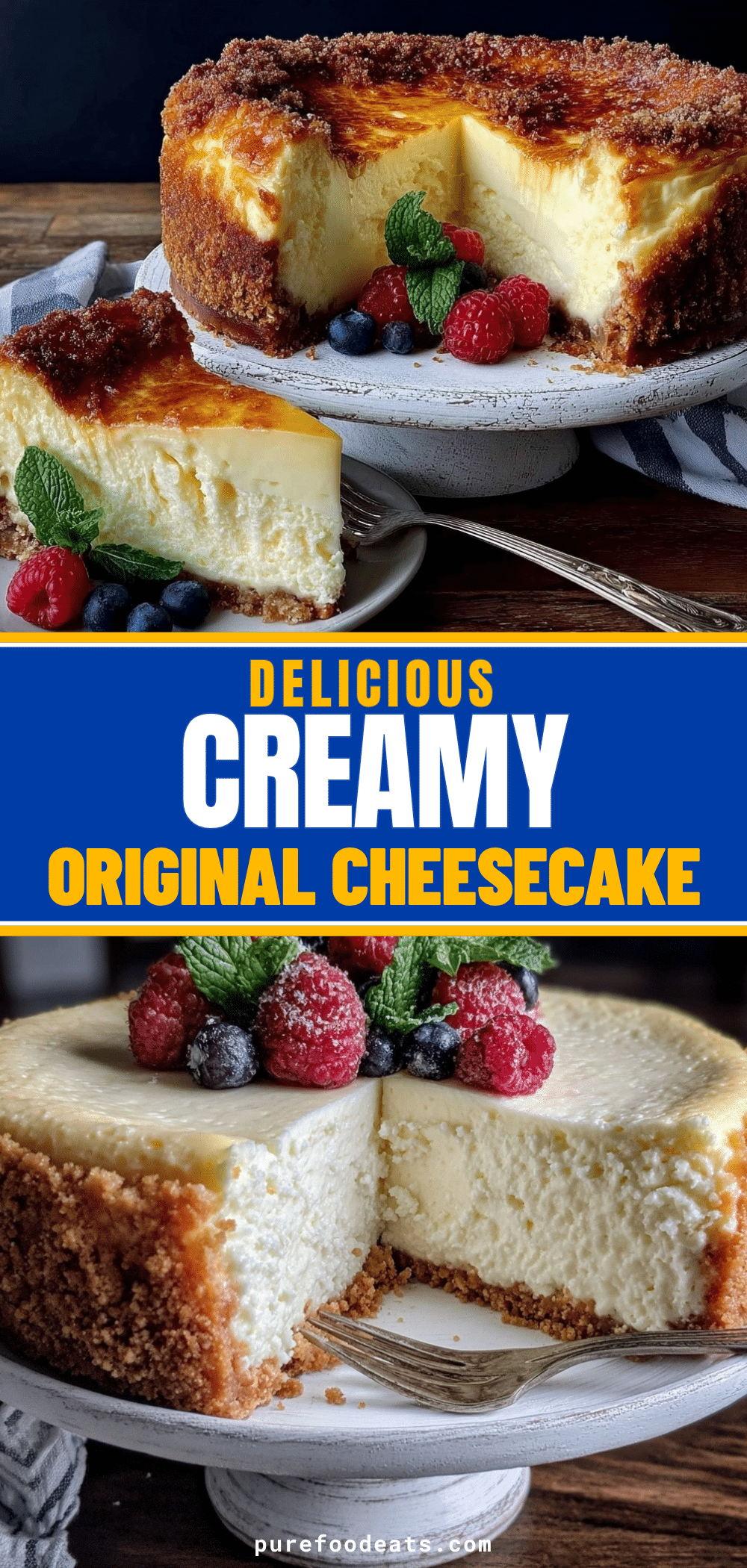

Copycat Cheesecake Factory Original Cheesecake: Best Easy Recipe
- Total Time: 100 minutes
- Yield: 12 servings 1x
Description
A rich, dense, and creamy homemade cheesecake that replicates the iconic taste of the Cheesecake Factory Original Cheesecake. This recipe uses a water bath and simple ingredients to achieve a crack-free, professional-quality dessert.
Ingredients
- 1 ½ cups graham cracker crumbs (about 10–12 full sheets)
- 5 tablespoons unsalted butter, melted
- 2 tablespoons granulated sugar
- 32 ounces (4 blocks) full-fat cream cheese, softened to room temperature
- 1 ¼ cups granulated sugar
- 4 large eggs, room temperature
- 1 cup full-fat sour cream
- 2 teaspoons pure vanilla extract
- 2 tablespoons all-purpose flour
Instructions
- Preheat oven to 325°F (165°C).
- Mix graham cracker crumbs, melted butter, and 2 tablespoons sugar until resembling wet sand.
- Press mixture firmly into the bottom of a 9-inch springform pan and chill in the fridge for 15 minutes.
- In a stand mixer with a paddle attachment, beat softened cream cheese on medium-low speed until smooth (3-5 minutes). Scrape down sides.
- Add 1 ¼ cups granulated sugar and beat on low until combined, then increase to medium speed for 1 minute until pale and fluffy.
- Add sour cream and vanilla extract; mix until just combined.
- Add eggs one at a time on the lowest speed setting, mixing only 15-20 seconds per egg to avoid incorporating air.
- Stir in flour by hand with a spatula until no streaks remain.
- Wrap the bottom of the springform pan tightly in two layers of heavy-duty aluminum foil.
- Place the springform pan in a roasting pan. Pour boiling water into the roasting pan until it reaches about an inch up the side of the springform pan.
- Bake for 60-70 minutes until edges are set but the center jiggles slightly like Jell-O.
- Turn off the oven, crack the door open, and let the cheesecake cool inside for 1 hour.
- Remove from oven, run a thin knife around the edge to loosen, and cool completely at room temperature.
- Refrigerate for at least 6 hours or preferably overnight before slicing.
Notes
Ensure all dairy ingredients are at room temperature to prevent lumps. Do not overmix after adding eggs to avoid cracks. A water bath is essential for even cooking and preventing dryness. The cheesecake tastes better after sitting in the fridge for 24 hours.
- Prep Time: 30 minutes
- Cook Time: 70 minutes
- Category: Dessert
- Cuisine: American
Nutrition
- Serving Size: 1 slice (1/12th of t
- Calories: 450
- Sugar: 22
- Sodium: 350
- Fat: 35
- Saturated Fat: 20
- Carbohydrates: 30
- Fiber: 1
- Protein: 6
Keywords: cheesecake, copycat recipe, cheesecake factory, original cheesecake, dessert, baking, homemade cheesecake, graham cracker crust