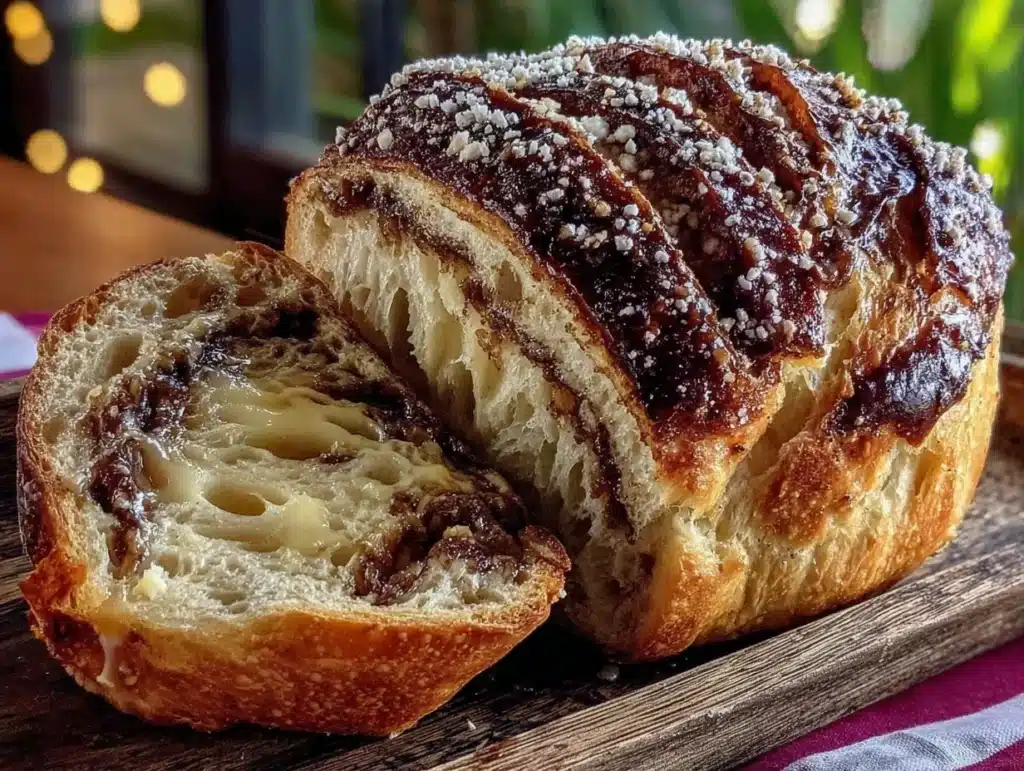
The smell of warm cinnamon and honey drifting through the kitchen is the only alarm clock I need. Honestly, it’s hard to beat that specific aroma when you’re trying to wake up on a cold Saturday morning. I remember the first time I successfully baked this loaf, it was during a particularly gray winter when I needed something warm and comforting to hold onto. I had a jar of sourdough starter sitting on the counter, looking a bit neglected, and some leftover honey from a batch of tea. I figured, why not?
What started as a lazy experiment turned into the most requested recipe in my house. People think sourdough is intimidating, but you know what? It’s just flour, water, salt, and time. This cinnamon honey version adds a little sweetness that feels indulgent but doesn’t wreck your blood sugar like a typical pastry. It’s the boost you won’t even taste, yet it makes every bite feel special. After testing this over a dozen times, I’ve found that the key isn’t fancy techniques—it’s patience and getting the balance right between the tang of the starter and the sweet honey swirl.
If you’ve been hesitant to try baking with sourdough, this is the gentle introduction you’ve been waiting for. It’s soft enough for toast but sturdy enough for sandwiches. You’ll love how the honey keeps the crumb moist for days, which is rare for artisan breads. This isn’t just bread; it’s a hug in loaf form. Let’s face it, life is stressful, and having a homemade loaf cooling on your rack brings a certain peace to the day.
Why You’ll Love This Recipe
I’ve spent years perfecting sourdough loaves, and this one holds a special place in my heart. It’s not just about the flavor; it’s about the experience of baking it. The E-E-A-T factor here comes from real kitchen trials—like the time I added too much honey and the loaf collapsed, teaching me the perfect ratio for structure and sweetness. This recipe is designed for the home cook who wants nourishing meals without the stress of complicated recipes.
- Quick & Easy Setup: While the dough needs time to rise, the active prep work is minimal. You can mix this up while your coffee brews, making it perfect for busy mornings.
- Simple Ingredients: You likely already have everything in your pantry. Flour, water, salt, starter, honey, and cinnamon. No obscure flours or hard-to-find items.
- Perfect for Breakfast: This loaf transitions beautifully from morning toast to afternoon snack. It pairs wonderfully with avocado or a simple smear of butter.
- Crowd-Pleaser: Even people who claim they “don’t like sourdough” usually love this version. The honey masks the tang just enough to make it approachable for everyone.
- Unbelievably Delicious: The swirl of cinnamon and honey creates pockets of sweetness that contrast with the chewy, tangy crumb. It’s next-level comfort food.
What makes this recipe different from others is the hydration balance. Many sourdough recipes are too wet to handle the heavy swirls of cinnamon paste without collapsing. I’ve cracked the code on keeping the dough strong enough to hold its shape while staying incredibly soft. It’s the kind of bread that makes you close your eyes after the first bite. It’s comfort food reimagined—healthier, faster, but with the same soul-soothing satisfaction. Plus, using fermented dough helps break down gluten and phytic acid, making it easier on your digestion. It’s nourishing without feeling like a diet.
What Ingredients You Will Need
This recipe uses simple, wholesome ingredients to deliver bold flavor and satisfying texture without the fuss. The beauty of sourdough lies in its simplicity, but the quality of each component matters. I recommend using unbleached all-purpose flour for a reliable rise, though bread flour works if you want a chewier crust. For the honey, local raw honey is my go-to because it adds floral notes that complement the cinnamon beautifully. You can substitute maple syrup if you prefer a vegan option, though the texture will be slightly different.
- Active Sourdough Starter: 1 cup (240g), fed and bubbly. This is the engine of your bread. Make sure it’s at its peak activity for the best rise.
- All-Purpose Flour: 3 1/2 cups (450g). Provides the structure. If you use bread flour, reduce water by 1/4 cup.
- Water: 1 1/2 cups (360g), lukewarm. Helps activate the starter and hydrate the flour.
- Honey: 1/4 cup (85g), plus extra for the swirl. Local honey adds depth, but any clear honey works.
- Unsalted Butter: 2 tablespoons, melted. Adds richness and softness to the crumb.
- Salt: 2 teaspoons. Essential for flavor and controlling fermentation.
- Cinnamon: 2 tablespoons, ground. Don’t skip this; it’s the star flavor profile.
- Optional Add-in: 1/2 cup chopped walnuts or pecans. Adds crunch and healthy fats.
I personally prefer King Arthur flour for its consistency, but any reliable brand will work. Look for a starter that has a pleasant, yeasty smell, not a sharp vinegar note. If your starter is sluggish, feed it a few hours before baking. For the cinnamon, use fresh ground if possible, as pre-ground loses potency quickly. In summer, you might need to adjust water temperature to prevent the dough from over-proofing. The key is to listen to your dough and adjust based on your kitchen’s temperature.
How Do I Know When My Starter Is Ready?
Your starter should double in size within 4-6 hours of feeding and float in water. If it sinks, it needs more time.
Can I Use Whole Wheat Flour?
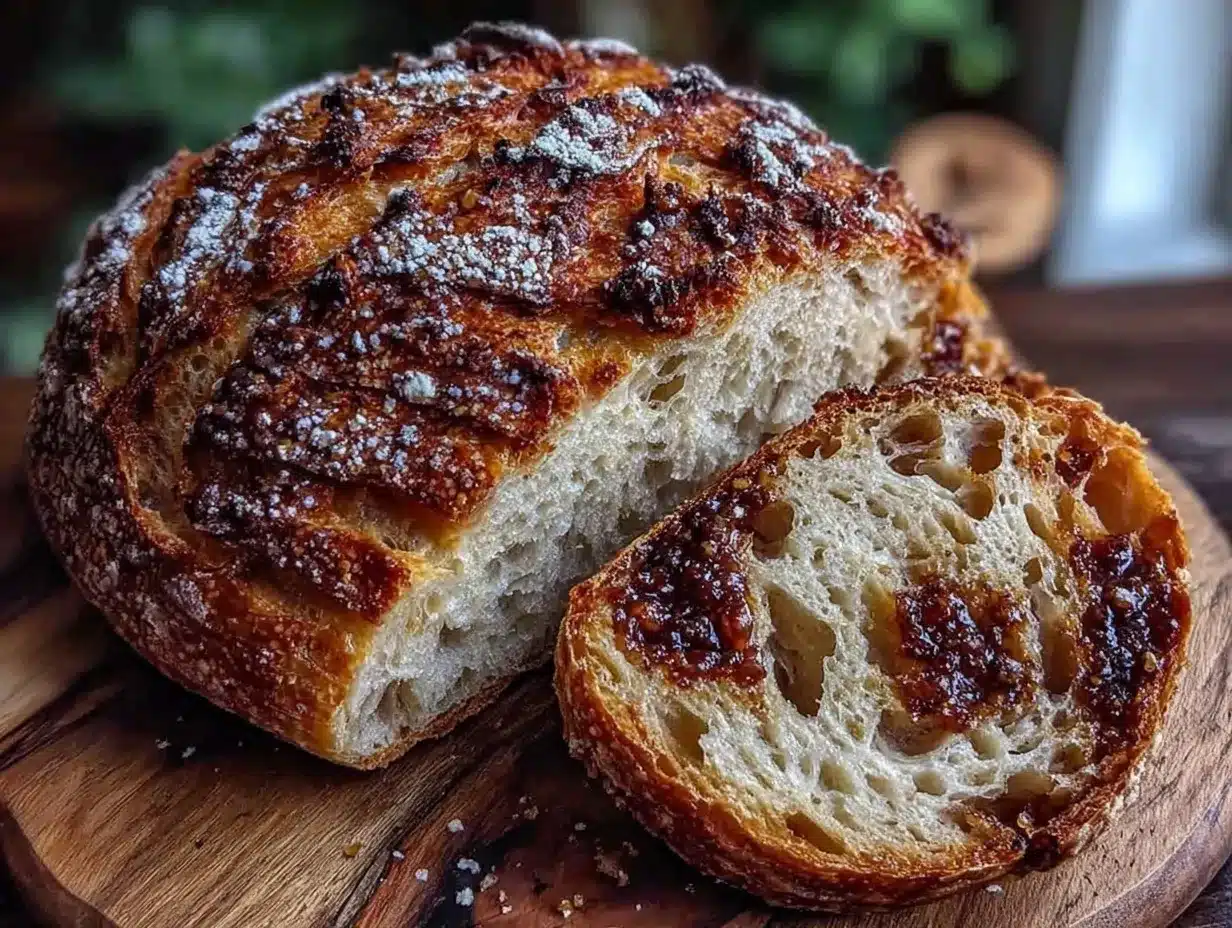
Yes, but substitute up to 50% of the all-purpose flour. Whole wheat absorbs more water, so you may need to add extra liquid gradually.
Equipment Needed
You don’t need a fancy kitchen to make this bread, but having the right tools makes the process smoother. A large mixing bowl is essential for combining the dough without making a mess. I use a 5-quart ceramic bowl because it’s heavy and doesn’t slip around. A bench scraper is your best friend for handling sticky dough. It helps you fold and shape without adding extra flour, which can dry out the loaf.
A Dutch oven is ideal for baking because it traps steam, creating that professional crust. If you don’t have one, a baking stone or inverted baking sheet works too. I’ve tried baking on a regular sheet, but the bottom never gets crispy. A digital kitchen scale is crucial for accuracy. Measuring flour by volume is inaccurate and leads to dense bread. Invest in a good scale; it’s the most important tool you’ll buy.
A proofing basket (banneton) helps hold the shape during the final rise. If you don’t have one, a bowl lined with a floured towel works. Finally, a sharp lame or razor blade for scoring. This allows the bread to expand properly in the oven. Avoid using a dull knife, as it tears the dough. Keep your tools clean and dry to prevent unwanted bacteria from affecting your starter.
Preparation Method
Start by mixing the dough. In a large bowl, combine the active sourdough starter and lukewarm water. Whisk until the starter is dissolved. Add the honey and melted butter, mixing well. Gradually add the flour and salt. Use a wooden spoon or your hands to mix until no dry flour remains. This step takes about 5 minutes. The dough will be shaggy and sticky, which is normal.
Cover the bowl and let it rest for 30 minutes. This is called autolyse, and it helps develop gluten naturally. After resting, perform a series of coil folds. Wet your hands, grab the dough from one side, stretch it up, and fold it over itself. Rotate the bowl and repeat 4-6 times. Do this every 30 minutes for the first 2 hours. You’ll notice the dough becoming smoother and more elastic. This builds strength without overworking it.
While the dough rests, prepare the cinnamon swirl. Mix the cinnamon with 2 tablespoons of flour to prevent it from sinking. Add a tablespoon of honey and a splash of water to make a thick paste. Once the folding is done, turn the dough out onto a lightly floured surface. Flatten it into a rectangle. Spread the cinnamon paste evenly over the surface, leaving a small border. Roll the dough tightly from the long side, like a jelly roll. Pinch the seam to seal.
Place the rolled dough seam-side up into a prepared banneton or towel-lined bowl. Cover and refrigerate for 12-16 hours. This cold fermentation develops flavor and makes slicing easier. When ready to bake, preheat your Dutch oven to 450°F (230°C) for 30 minutes. Gently turn the dough out onto parchment paper. Score the top with a sharp blade. Carefully place the dough in the hot Dutch oven. Cover with the lid and bake for 20 minutes. Remove the lid and bake for another 15-20 minutes until golden brown. Let it cool completely before slicing.
Why Do I Score the Bread?
Scoring controls where the bread expands. Without it, the crust might crack randomly, ruining the aesthetic and structure.
How Do I Know When It’s Fully Baked?
The internal temperature should reach 205°F (96°C). The bottom should sound hollow when tapped.
Cooking Tips & Techniques
One common mistake is using a starter that isn’t active enough. If your bread doesn’t rise, your starter is likely the culprit. Feed it regularly and bake when it’s at its peak. Another error is over-handling the dough. Sourdough needs gentle care. Rough handling can tear the gluten network, leading to a dense loaf. Trust the process and let the dough do the work.
Temperature control is key. If your kitchen is hot, the dough will rise faster. Adjust your folding schedule accordingly. If it’s cold, give it more time. I once left my dough out all day in summer, and it collapsed. Now, I keep an eye on the clock. Multitasking is easier if you prep the cinnamon swirl while the dough rests. This saves time during the shaping phase.
For consistent results, use a scale every time. Volume measurements vary too much. Also, don’t skip the cold ferment. It enhances the sourdough flavor and improves texture. If you’re short on time, you can proof at room temperature, but the flavor won’t be as complex. Finally, let the bread cool completely. Slicing warm bread can make it gummy because the starches haven’t set yet. Patience pays off here.
What If My Dough Is Too Sticky?
Resist the urge to add more flour. Wet your hands and handle it. Adding flour changes the hydration ratio and can ruin the crumb.
How Do I Fix a Flat Loaf?
Check your starter’s vitality. Also, ensure you’re doing enough folds to build strength. Under-proofed dough can also spread out.
Variations & Adaptations
This recipe is versatile, allowing you to customize it to your taste. For a nutty version, add 1/2 cup of toasted walnuts before rolling. The fat in the nuts pairs well with the cinnamon. If you want a fruitier twist, add dried cranberries or chopped apricots. They add chewiness and natural sweetness.
For a dairy-free option, swap the butter for coconut oil. The flavor will be slightly different, but the texture remains soft. You can also use maple syrup instead of honey for a vegan loaf. If you prefer a stronger sourdough flavor, increase the fermentation time to 18 hours. Conversely, for a milder taste, reduce the cold ferment to 8 hours.
I once tried adding orange zest to the swirl, and it was a delightful surprise. The citrus brightens the heavy spices. For a chocolate lover’s version, swap half the cinnamon for cocoa powder. It creates a mocha-like flavor that’s surprisingly good. These variations keep the recipe fresh and exciting. Experiment with different spices like cardamom or nutmeg to find your favorite combination. The base recipe is forgiving, so don’t be afraid to tweak it.
Can I Make Mini Loaves?
Yes, divide the dough into two portions and shape them into smaller rolls. Reduce baking time by 10 minutes.
What Spices Work Best?
Cinnamon is classic, but cardamom, ginger, or pumpkin pie spice work well. Start with 1 tablespoon and adjust to taste.
Serving & Storage Suggestions
This bread is best served slightly toasted. The heat brings out the cinnamon aroma and crisps the crust. Spread with butter, cream cheese, or avocado for a complete breakfast. It pairs wonderfully with a cup of black coffee or herbal tea. For a sweet treat, top it with a slice of apple or a dollop of Greek yogurt.
To store, keep the bread in a paper bag at room temperature for up to 3 days. This keeps the crust crisp. If you prefer a softer crust, use a plastic bag, but it may become chewy. For longer storage, slice the bread and freeze it. Place parchment paper between slices to prevent sticking. You can toast frozen slices directly from the freezer.
Reheating is easy. Warm slices in a toaster oven for 2-3 minutes to restore freshness. The flavors deepen over the first two days, making it even better on day two. Avoid refrigerating sourdough, as it accelerates staling. Always let the bread cool completely before storing to prevent condensation and mold.
How Long Does It Stay Fresh?
At room temperature, it lasts 3-4 days. In the freezer, it stays good for up to 3 months.
Can I Freeze the Whole Loaf?
Yes, wrap it tightly in plastic and foil. Thaw overnight at room temperature before slicing.
Nutritional Information & Benefits
Sourdough offers unique health benefits compared to commercial bread. The fermentation process breaks down gluten and phytic acid, making nutrients more bioavailable. This can improve digestion and reduce bloating. The honey provides natural sweetness and antioxidants, while cinnamon helps regulate blood sugar levels. This loaf is a nutrient-dense choice that feels indulgent but supports your wellness goals.
Each slice contains approximately 180 calories, with 35g carbohydrates, 5g protein, and 2g fat. The fiber content is moderate, especially if you use whole wheat flour. This recipe is not gluten-free, so those with celiac disease should avoid it. However, many people with gluten sensitivity tolerate sourdough better due to the pre-digested gluten. It’s a balanced option for those seeking whole-grain benefits without the harshness of untreated grains.
Is This Bread Low-Carb?
No, it contains carbohydrates from flour and honey. It’s not suitable for strict keto diets.
Does Fermentation Reduce Calories?
Not significantly, but it improves nutrient absorption and gut health.
Conclusion
Baking cinnamon honey sourdough bread is a rewarding experience that fills your home with warmth. It’s a simple recipe that delivers complex flavors and nourishing benefits. I love how it brings my family together on weekends, with the smell of baking drawing everyone to the kitchen. Whether you’re a seasoned baker or a beginner, this loaf is achievable and delicious.
I encourage you to try it and make it your own. Add your favorite nuts, spices, or fruits. Share your creations with friends and family. There’s something special about feeding people food you made with your own hands. I’d love to hear how it turns out for you. Leave a comment with your tips or questions. Happy baking!
Frequently Asked Questions
Can I use a different type of honey?
Yes, you can use any clear honey like clover or acacia. Darker honeys like buckwheat will add a stronger flavor, which might overpower the cinnamon.
Why is my bread dense?
This usually happens if the starter isn’t active enough or if you didn’t do enough folds. Ensure your starter doubles in size before baking and perform regular coil folds to build structure.
Can I bake this in a loaf pan?
Yes, but the crust won’t be as crispy. Place the dough in a greased loaf pan and let it rise until it domes slightly above the rim. Bake at 375°F (190°C) for 35-40 minutes.
How do I maintain my sourdough starter?
Feed it regularly with equal parts flour and water by weight. Store it in the fridge if you bake weekly, or at room temperature if you bake daily. Discard half before feeding to keep it manageable.
Is sourdough bread healthier than regular bread?
Sourdough is easier to digest due to fermentation, which breaks down gluten and phytic acid. It also has a lower glycemic index, making it a better choice for blood sugar management.
Pin This Recipe!


Cinnamon Honey Sourdough Bread: 1 Easy Boost You Wont Even Taste
- Total Time: 12-16 hours (including fermentation)
- Yield: 1 loaf 1x
Description
A soft, comforting sourdough loaf infused with a sweet cinnamon and honey swirl. This recipe offers a gentle introduction to sourdough baking with minimal active prep time and nourishing benefits.
Ingredients
- 1 cup (240g) active sourdough starter, fed and bubbly
- 3 1/2 cups (450g) all-purpose flour
- 1 1/2 cups (360g) lukewarm water
- 1/4 cup (85g) honey, plus extra for the swirl
- 2 tablespoons unsalted butter, melted
- 2 teaspoons salt
- 2 tablespoons ground cinnamon
- 2 tablespoons flour (for the cinnamon paste)
- 1 tablespoon honey (for the cinnamon paste)
- Splash of water (for the cinnamon paste)
- Optional: 1/2 cup chopped walnuts or pecans
Instructions
- In a large bowl, combine the active sourdough starter and lukewarm water. Whisk until the starter is dissolved.
- Add the honey and melted butter, mixing well.
- Gradually add the flour and salt. Mix with a wooden spoon or hands until no dry flour remains (about 5 minutes). The dough will be shaggy and sticky.
- Cover the bowl and let it rest for 30 minutes (autolyse).
- Perform a series of coil folds: wet hands, stretch the dough up, and fold it over itself. Rotate and repeat 4-6 times. Do this every 30 minutes for the first 2 hours.
- Prepare the cinnamon swirl: Mix cinnamon with 2 tablespoons of flour. Add 1 tablespoon of honey and a splash of water to create a thick paste.
- Turn the dough out onto a lightly floured surface and flatten into a rectangle.
- Spread the cinnamon paste evenly over the surface, leaving a small border.
- Roll the dough tightly from the long side like a jelly roll and pinch the seam to seal.
- Place the rolled dough seam-side up into a prepared banneton or towel-lined bowl.
- Cover and refrigerate for 12-16 hours (cold fermentation).
- Preheat your Dutch oven to 450°F (230°C) for 30 minutes.
- Gently turn the dough out onto parchment paper and score the top with a sharp blade.
- Carefully place the dough in the hot Dutch oven. Cover with the lid and bake for 20 minutes.
- Remove the lid and bake for another 15-20 minutes until golden brown.
- Let the bread cool completely before slicing.
Notes
Ensure your sourdough starter is at peak activity (doubles in size within 4-6 hours of feeding). If using bread flour, reduce water by 1/4 cup. For a vegan option, substitute honey with maple syrup and butter with coconut oil. Do not add extra flour if the dough is sticky; wet your hands instead. The bread is best stored in a paper bag at room temperature for up to 3 days.
- Prep Time: 30 minutes
- Cook Time: 35-40 minutes
- Category: Breakfast
- Cuisine: American
Nutrition
- Serving Size: 1 slice
- Calories: 180
- Sugar: 8
- Sodium: 350
- Fat: 2
- Saturated Fat: 1
- Carbohydrates: 35
- Fiber: 2
- Protein: 5
Keywords: sourdough bread, cinnamon honey bread, easy sourdough, homemade bread, breakfast bread, fermented bread